Mateusz Tomaszewski
Hey! I'm a generalist software developer who finds delight in making things with code.
My work and projects revolve mainly around full-stack web development, Linux, Android, and computer graphics. I'm focused on exploring the fields of distributed systems and systems programming, being driven towards scale, infrastructure, metal, and speed.
Outside of that, I'm interested in languages, mathematics, economy, and more.
Projects
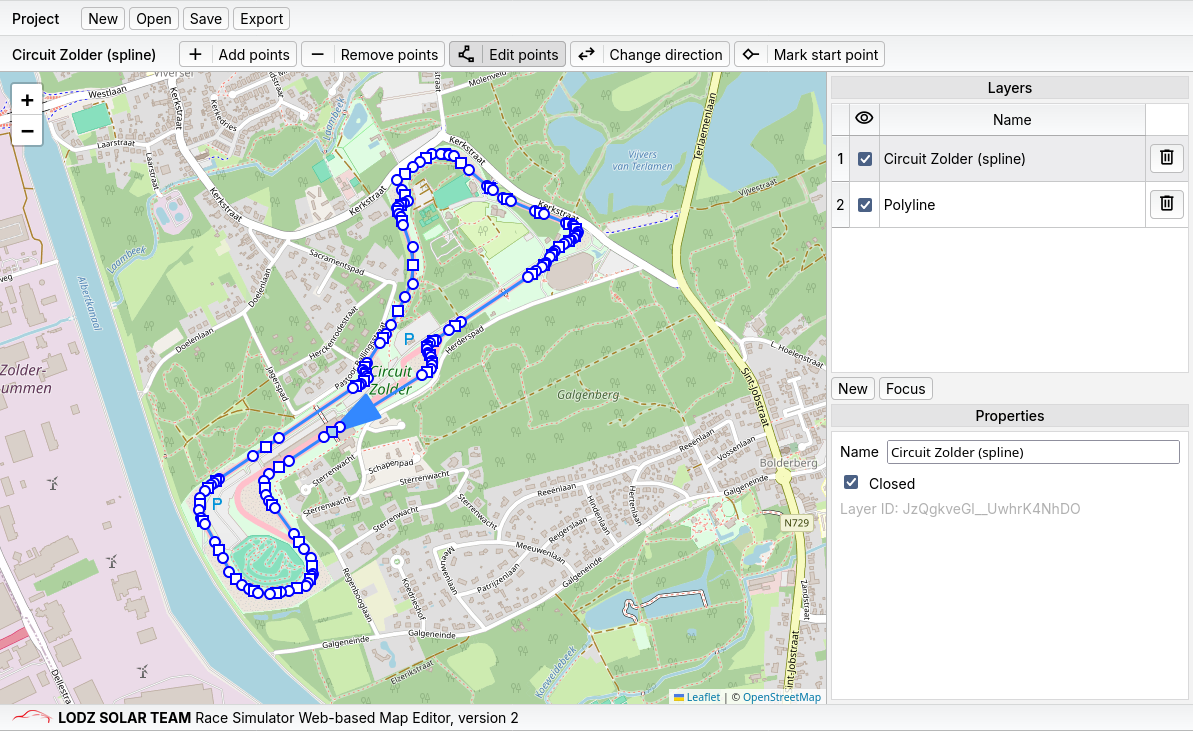
Lodz Solar Team Race track map editor
Part of an energy use simulator and race strategy optimizer. Race track editor based on Typescript and React. Supports project saving and layer management. Allows to edit polylines and splines and export them with elevation and curvature calculation. Slides
Mobile applications
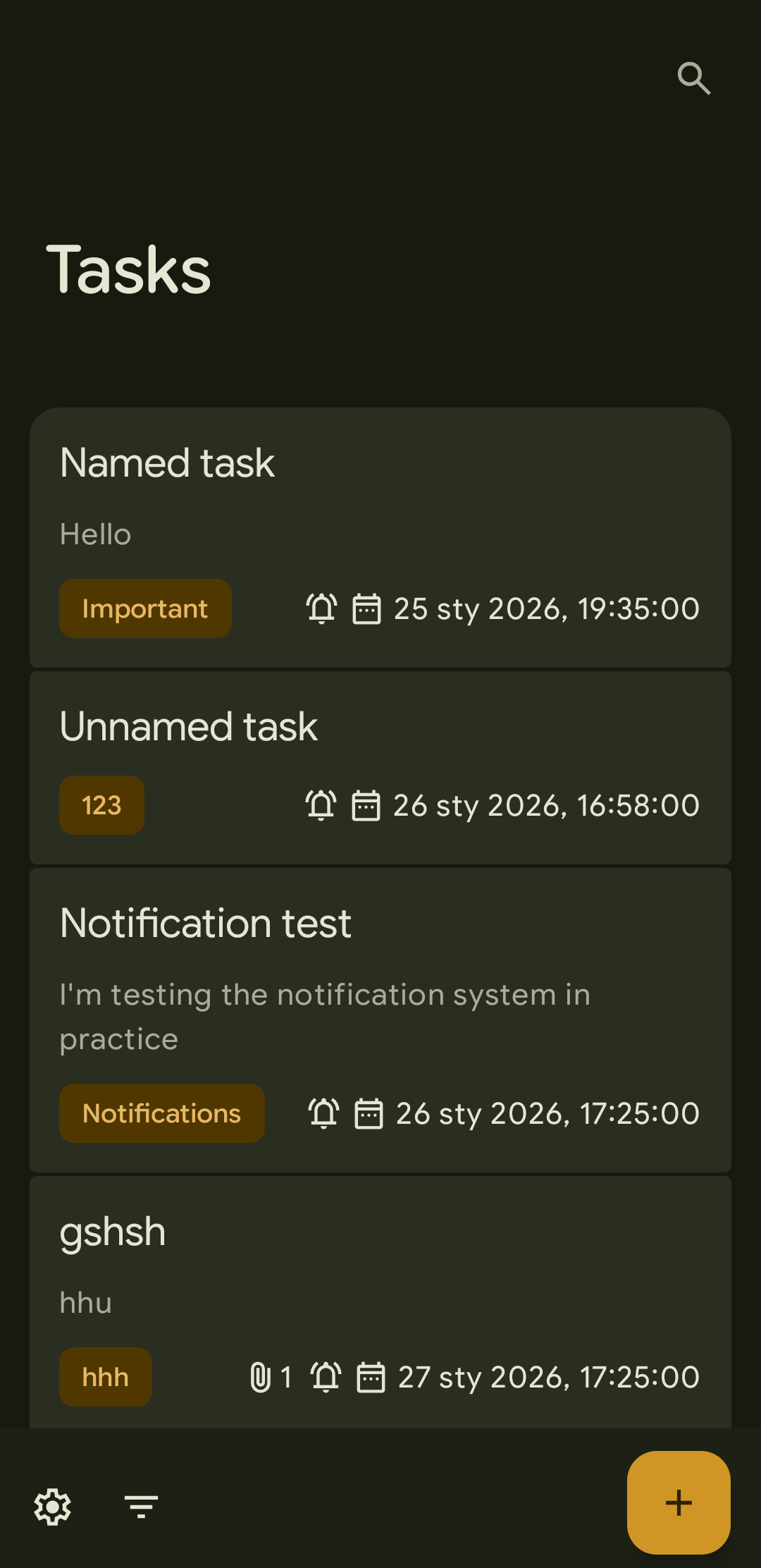
Several Android applications using Jetpack Compose and Kotlin.
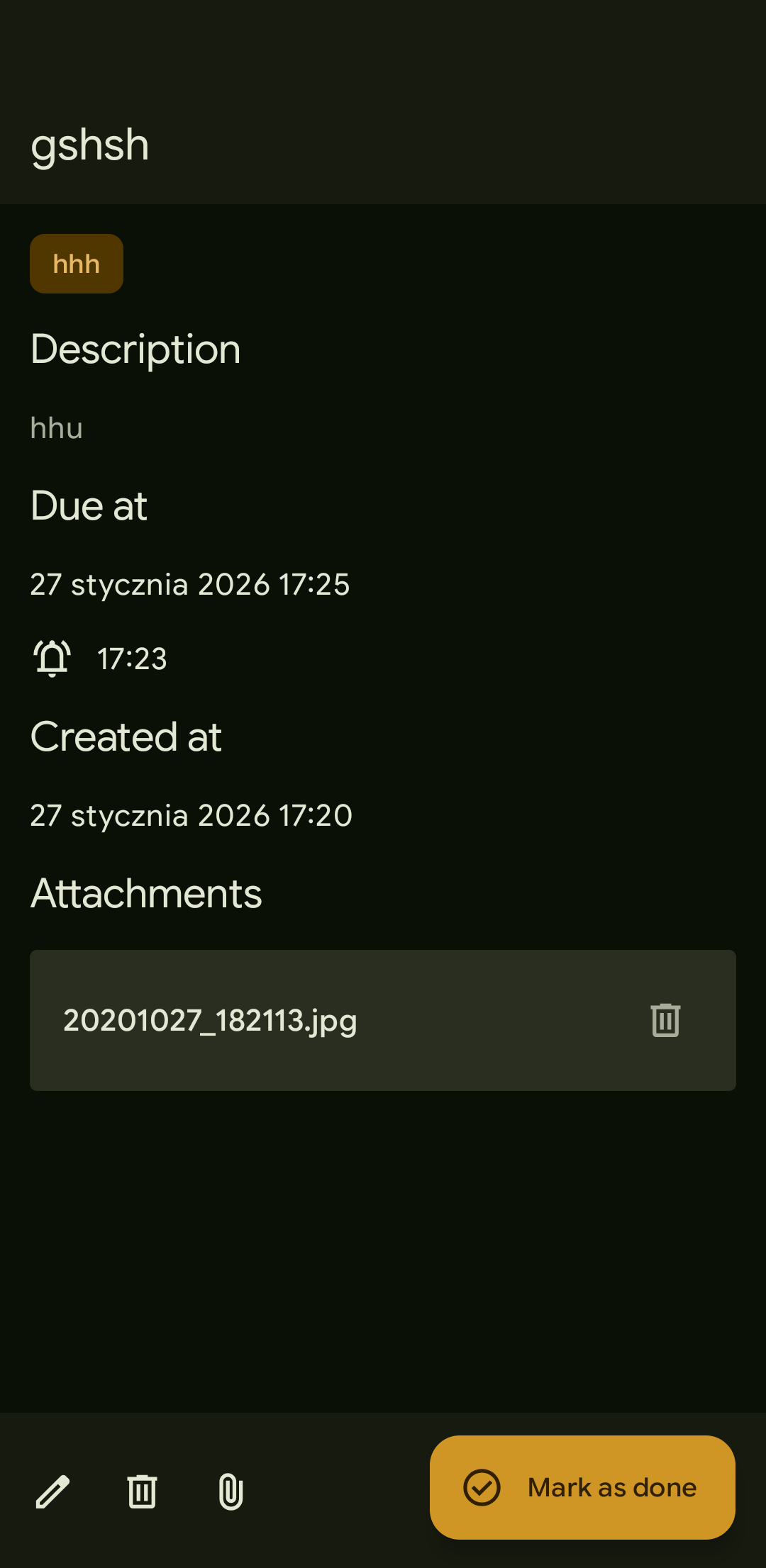
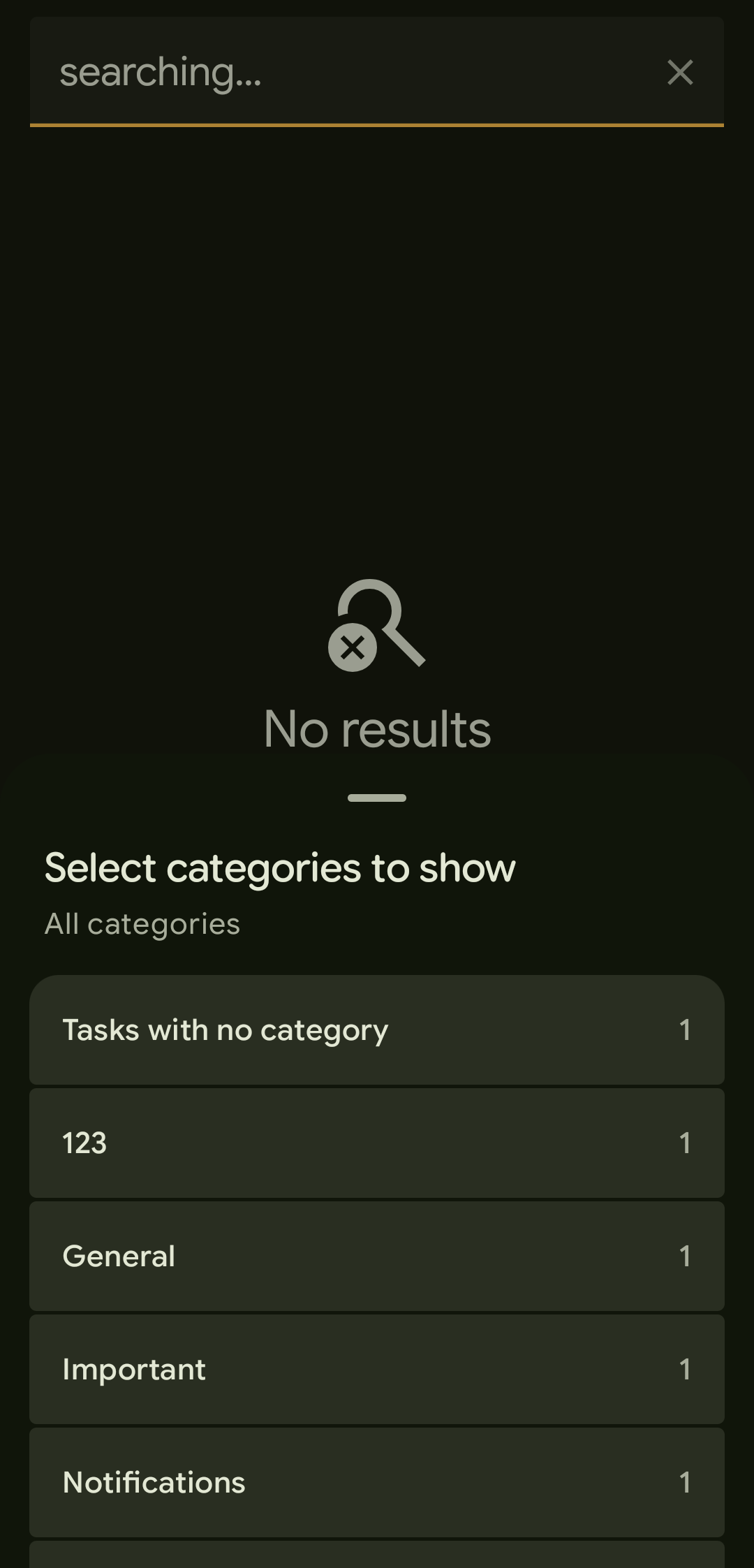
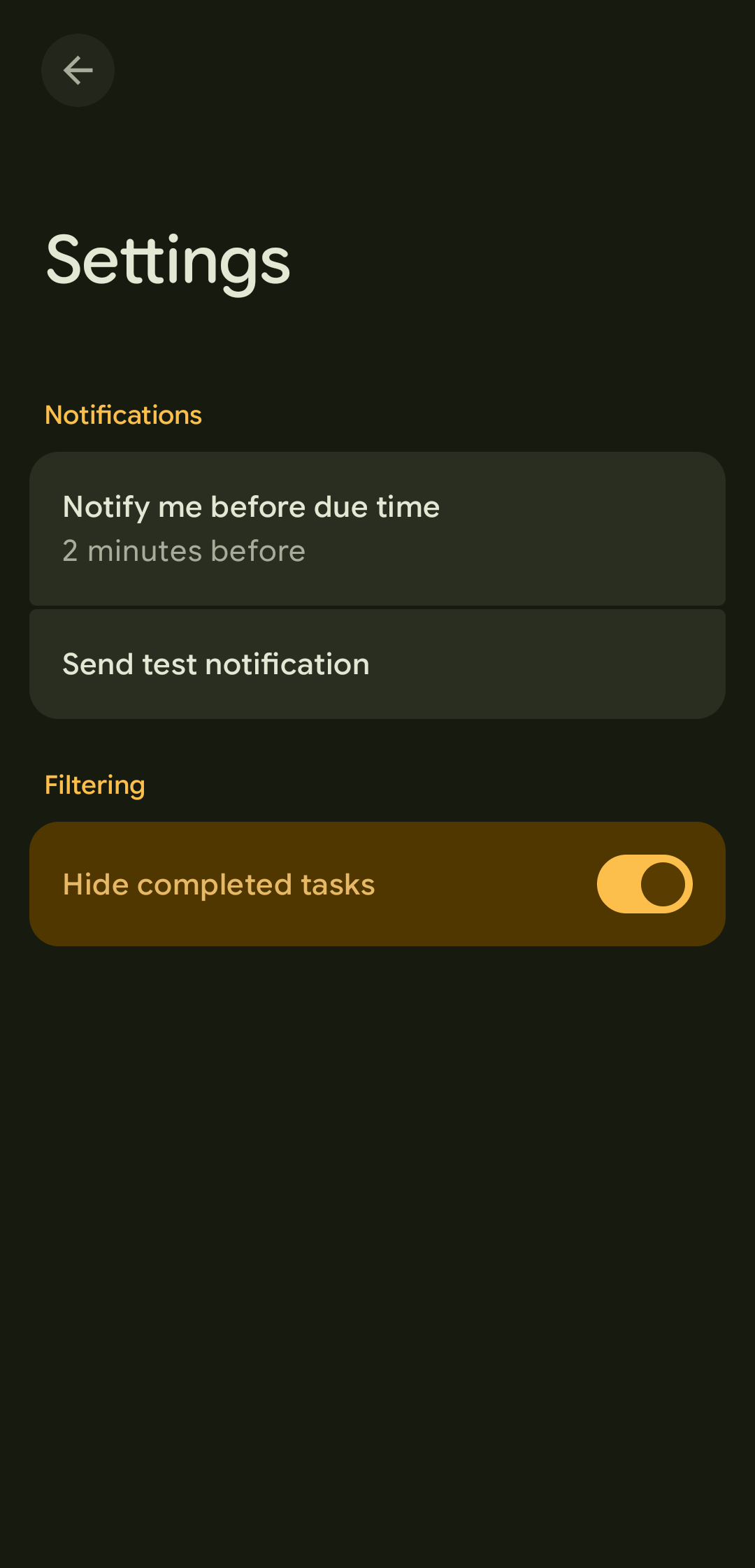
Full-featured basic task management application. Modular architecture with focus on best practices. Storage in Room Database. Attachments, notifications and alarms, searching and filtering. Following Material Design 3 guidelines. Source code
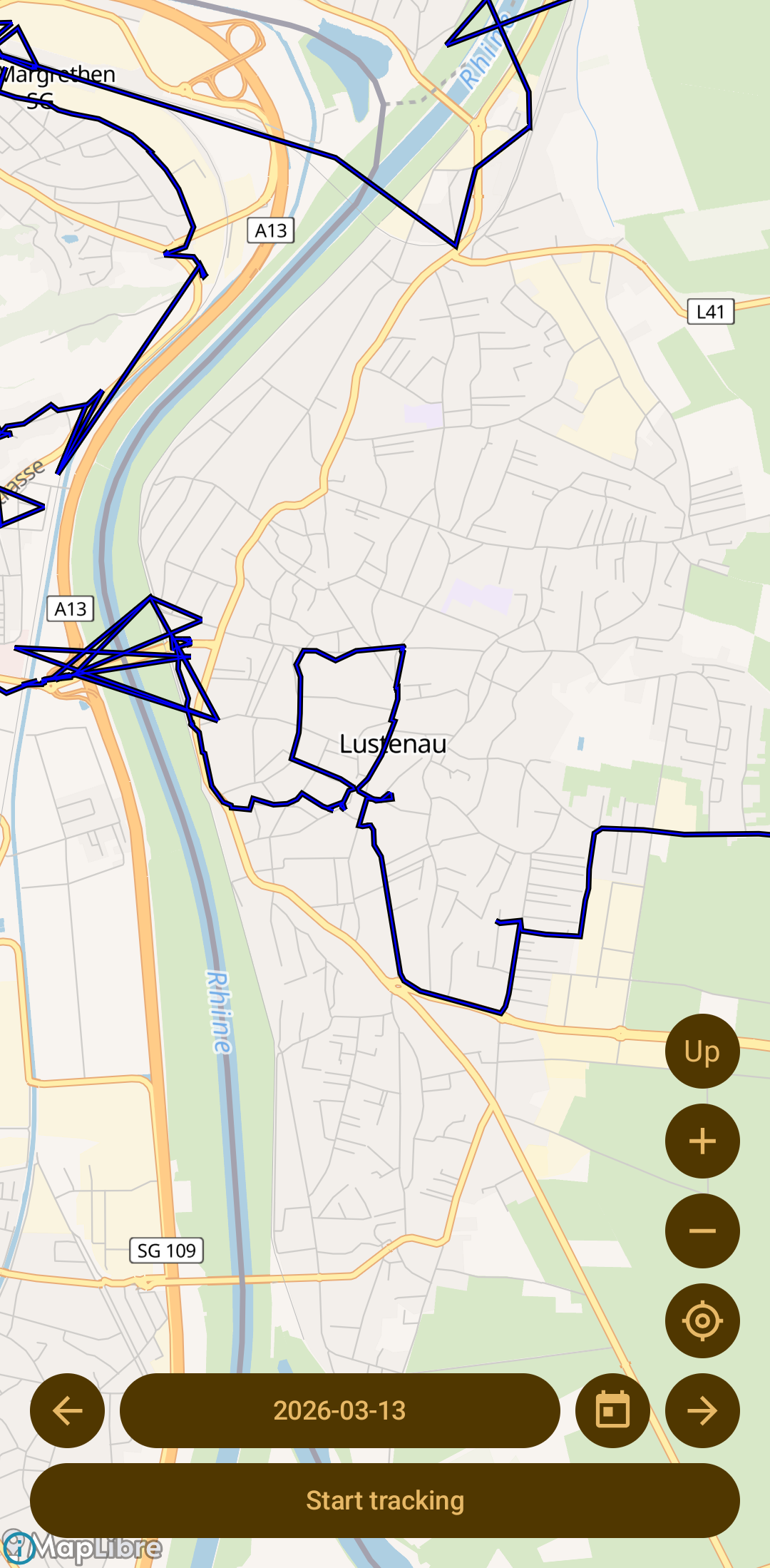
GPS tracker working with Room Database, Google Play services location API, foreground services, quick settings tiles, and WebDAV backup upload.
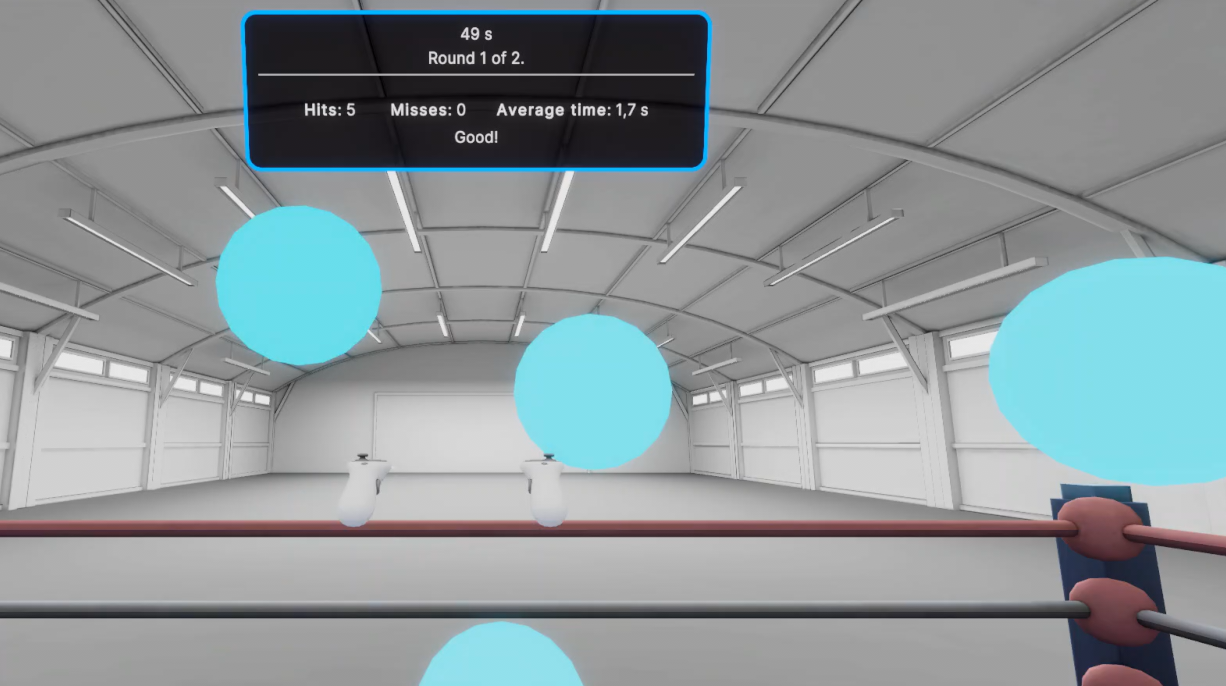
Punch the Lights
Virtual reality game created in Unity and programmed in C#.
Lodz Solar Team Visual odometry
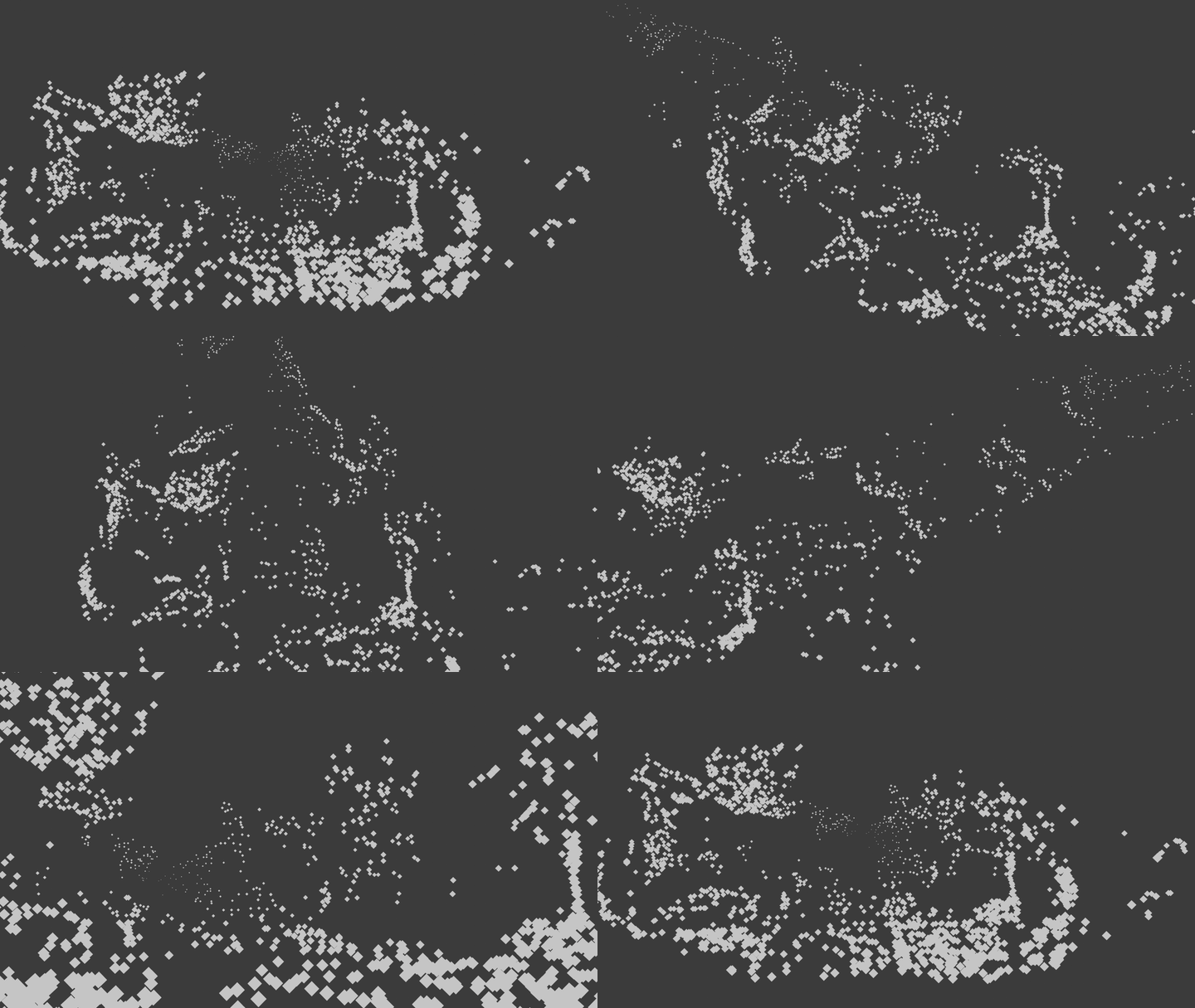
Computer vision solution for vehicle trajectory estimation based on Python, OpenCV, NumPy, and SciPy. I focused on improving precision, optimisation, code quality, and user friendliness. Our presentation of the project during the XLII International Student Seminar on Mechanical Engineering at the Military University of Technology in Warsaw was awarded as the best in the category of 1st and 2nd year students. Slides
Language app
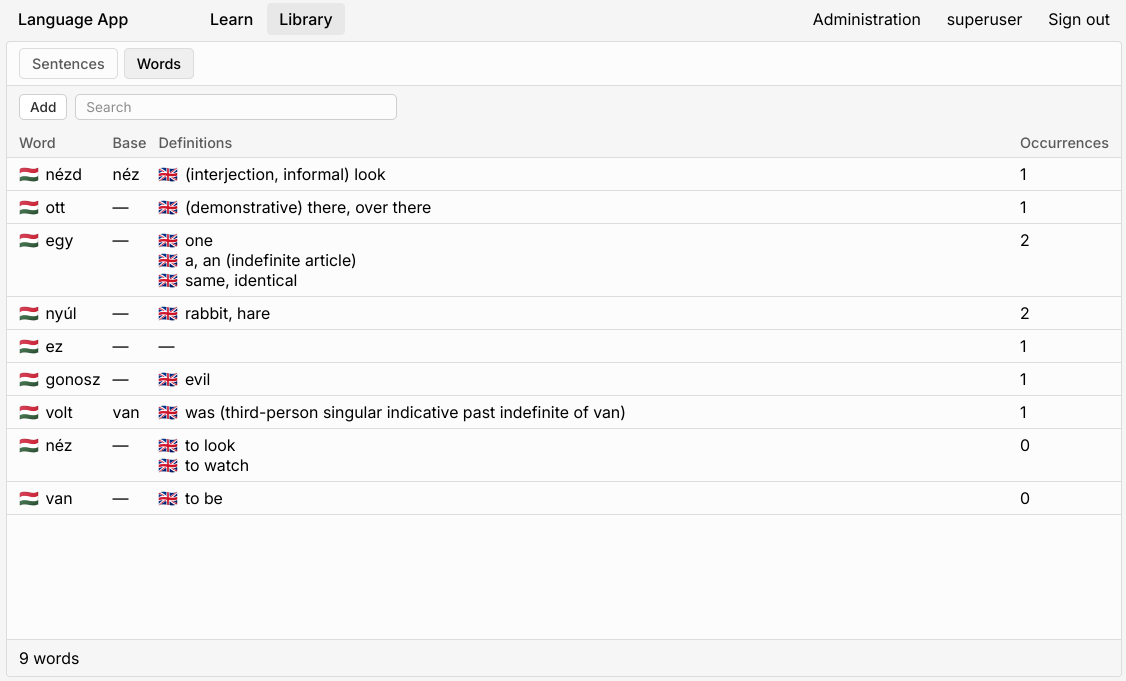
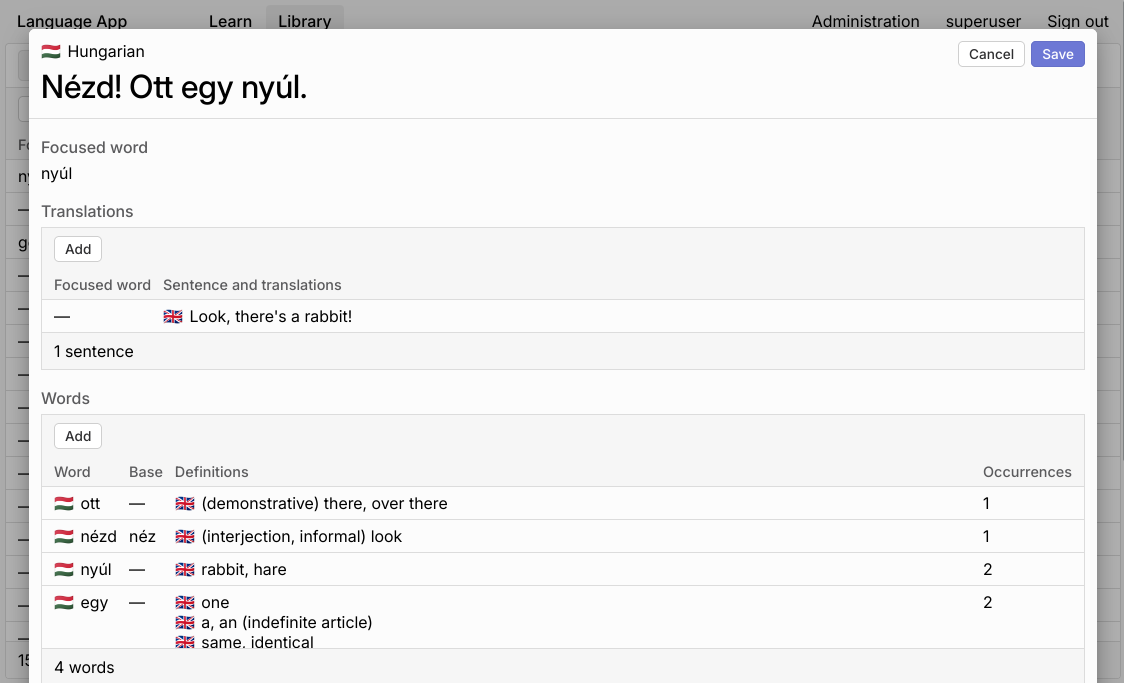
Full-stack content manager for a language learning app, inspired by Tatoeba. Allows to create and modify languages, sentences, and words. The backend is written in Java with Spring Boot and interacts with a PostgreSQL database using Hibernate ORM. Includes custom error handling, account management, authorization, and authentication. The frontend is written in TypesScript with Angular and is structured around a custom synchronisation engine. Source code
Database
Relational database written in Java. Allows to store data in multiple tables with typed columns. Interactions are provided through a user-friendly command-line interface with descriptive error messages. SQL queries are parsed using a recursive descent parser and complex expressions are supported by a parser inspired by top-down operator precedence parsers. All standard join operations are supported. Data can be selected, updated, and deleted. Database content is serialised to JSON and saved on disk. Source code and demo
PyTrain
Train simulator game with a procedurally generated map and a 3D renderer written from scratch, dealing with the performance limitations of PyGame and Python. Videos and source code
Pac-Man
Pac-Man clone written in C++ using the Qt library. Source code
3e
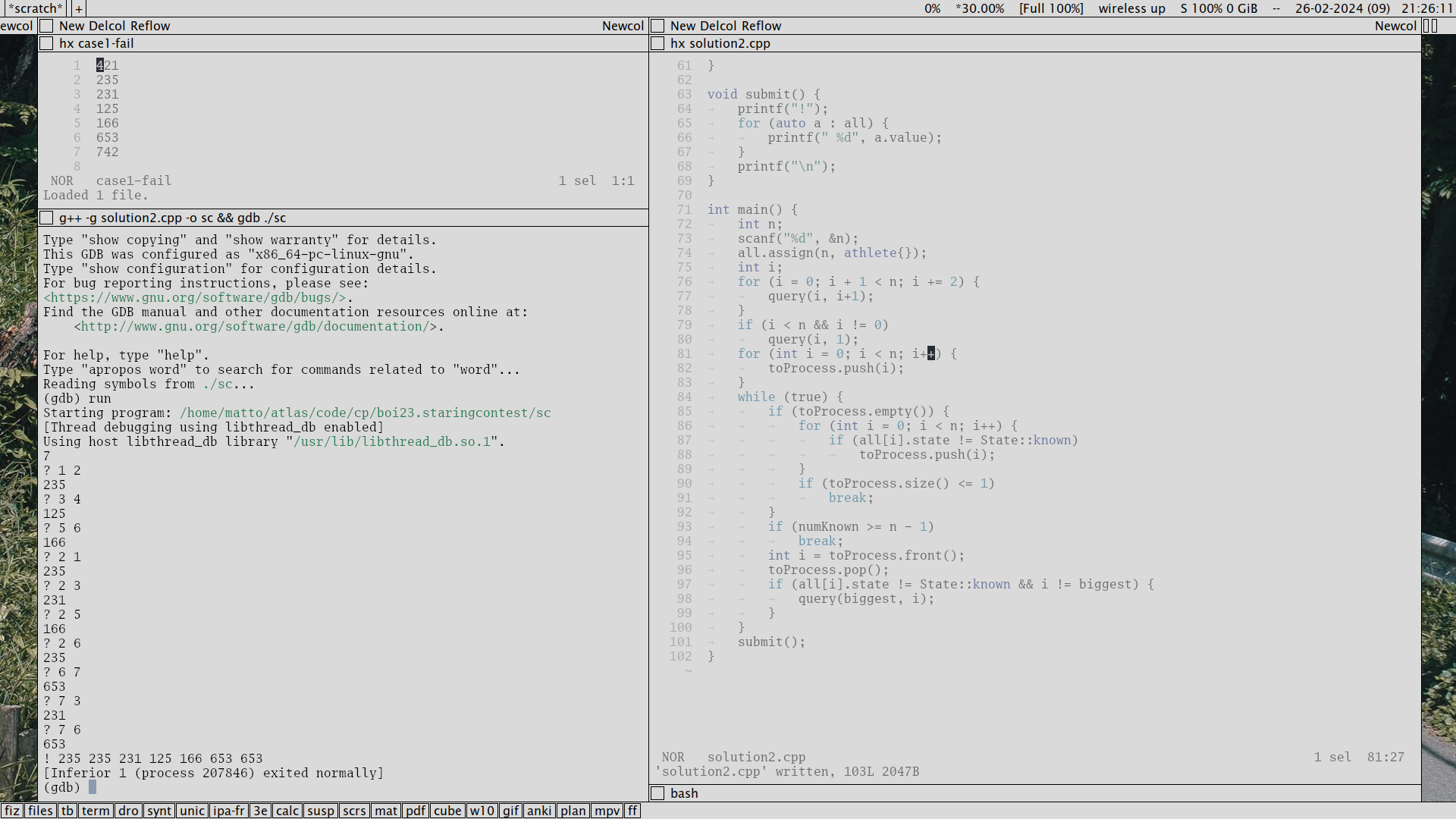
X11 tiled scrollable window manager for Linux written in C. Based on the open-source dwm and heavily modified to create an unconventional user interface inspired by acme. Source code
dt
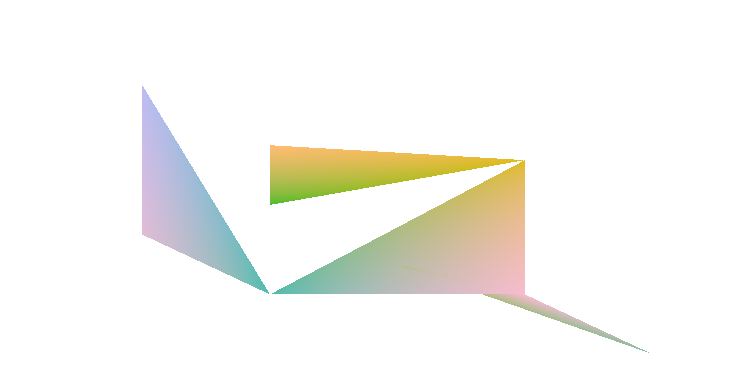
A base for a Vulkan rendering engine in C. Source code
Dro
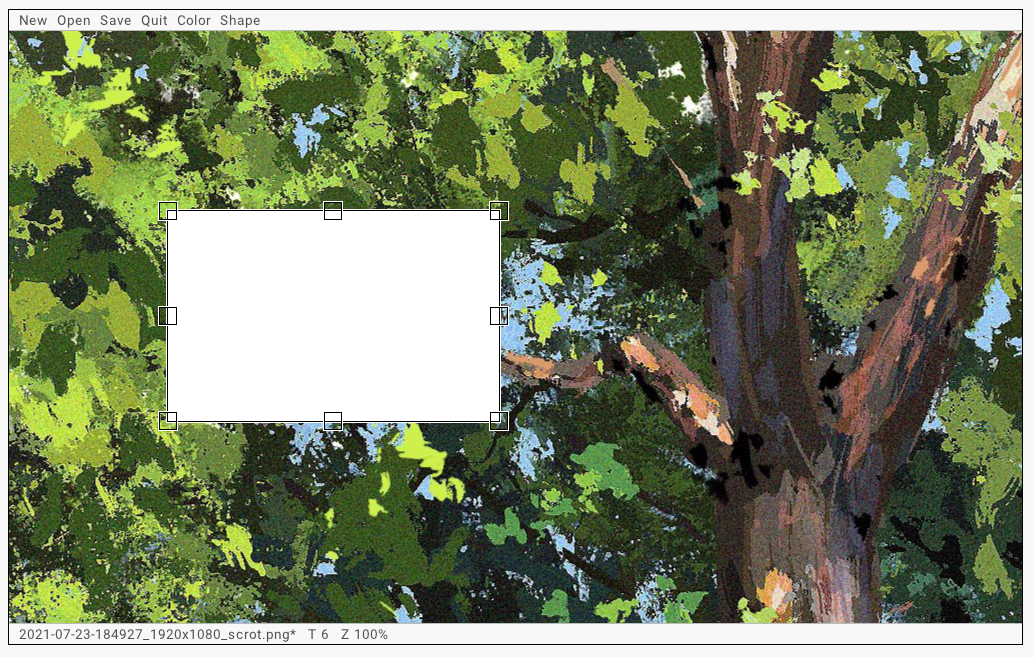
Minimal image manipulation program, made to edit screenshots and quickly draw some drafts. I plan to rewrite it, this time focusing on keyboard control. Source code
Anki Duolingo dictionary
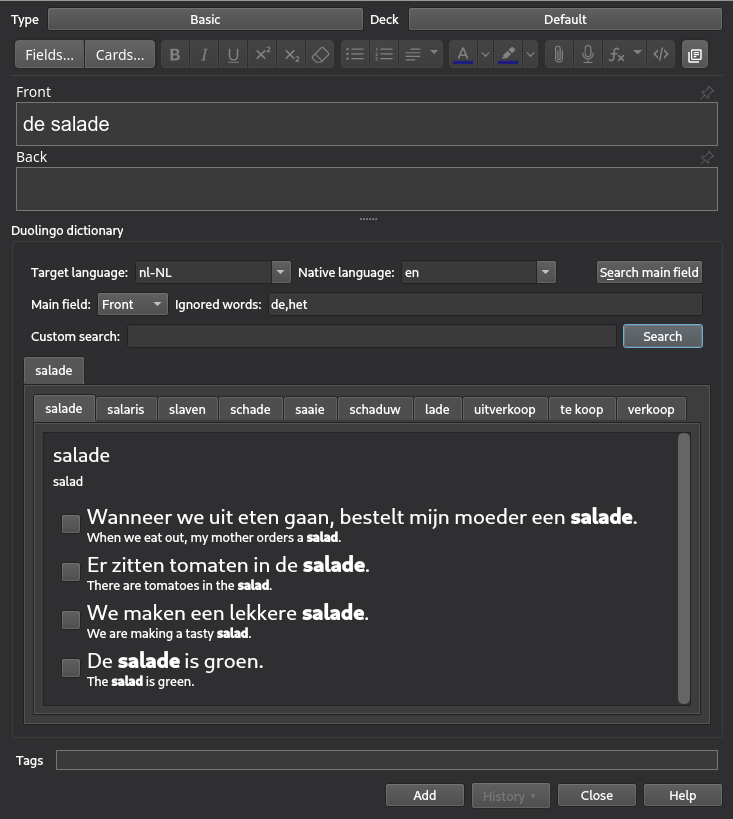
Anki addon extending the user interface (Qt). Before the Duolingo dictionary was discontinued, this let the user search for the definition and example sentences of a given word. It could be configured to almost automatically fetch the content from a selected field and strip all the unimportant words from the search query (e.g. articles). Source code
Manesei
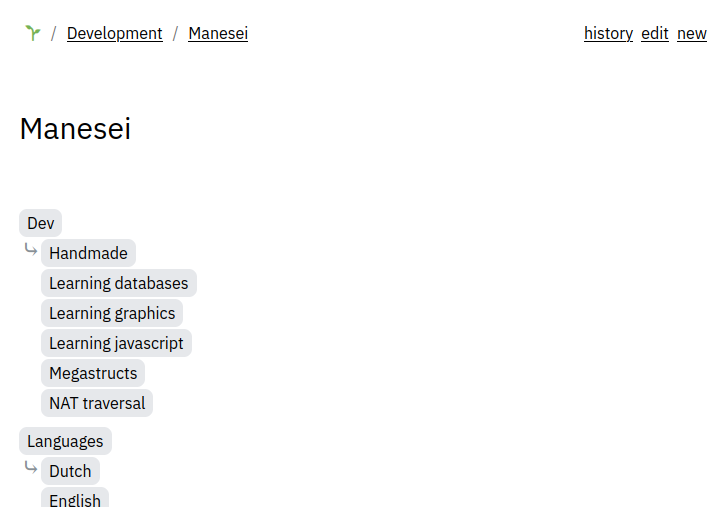
Knowledge base and digital garden. Utilises Atylar, a storage system with version history. Features a simple, bespoke markup language. I plan to make it multi-user and add the possibility to publish your documents.
Anghelp
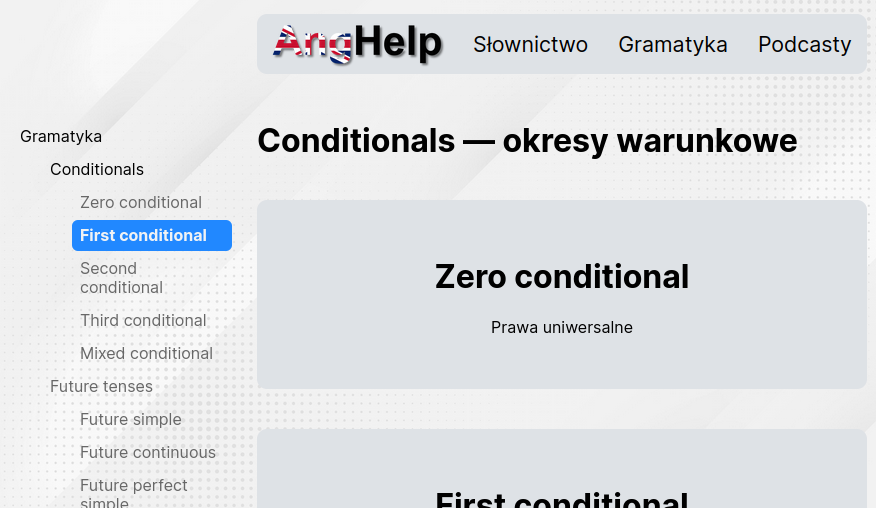
Website about the English language made for a school group project. I created a static site generator with support for nested navigation and was in charge of the deployment. Visit
Mapian
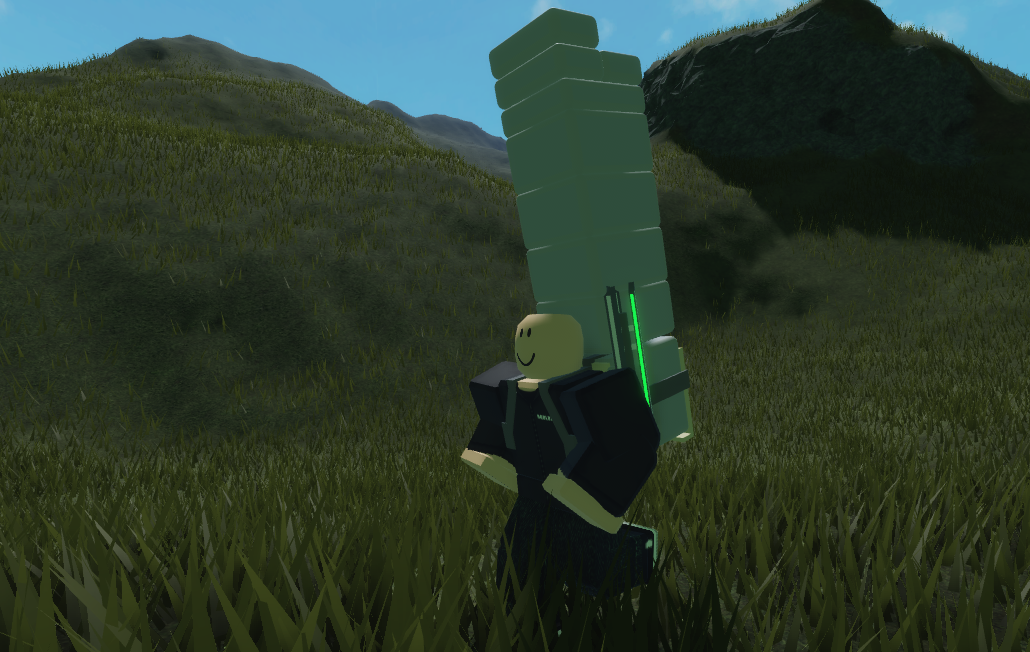
OpenStreetMap-based procedural generation in Roblox. The player can choose a location to visit, which is then dynamically fetched and built. Features a chunk system that lets the user explore the world virtually infinitely without major difficulties. Play
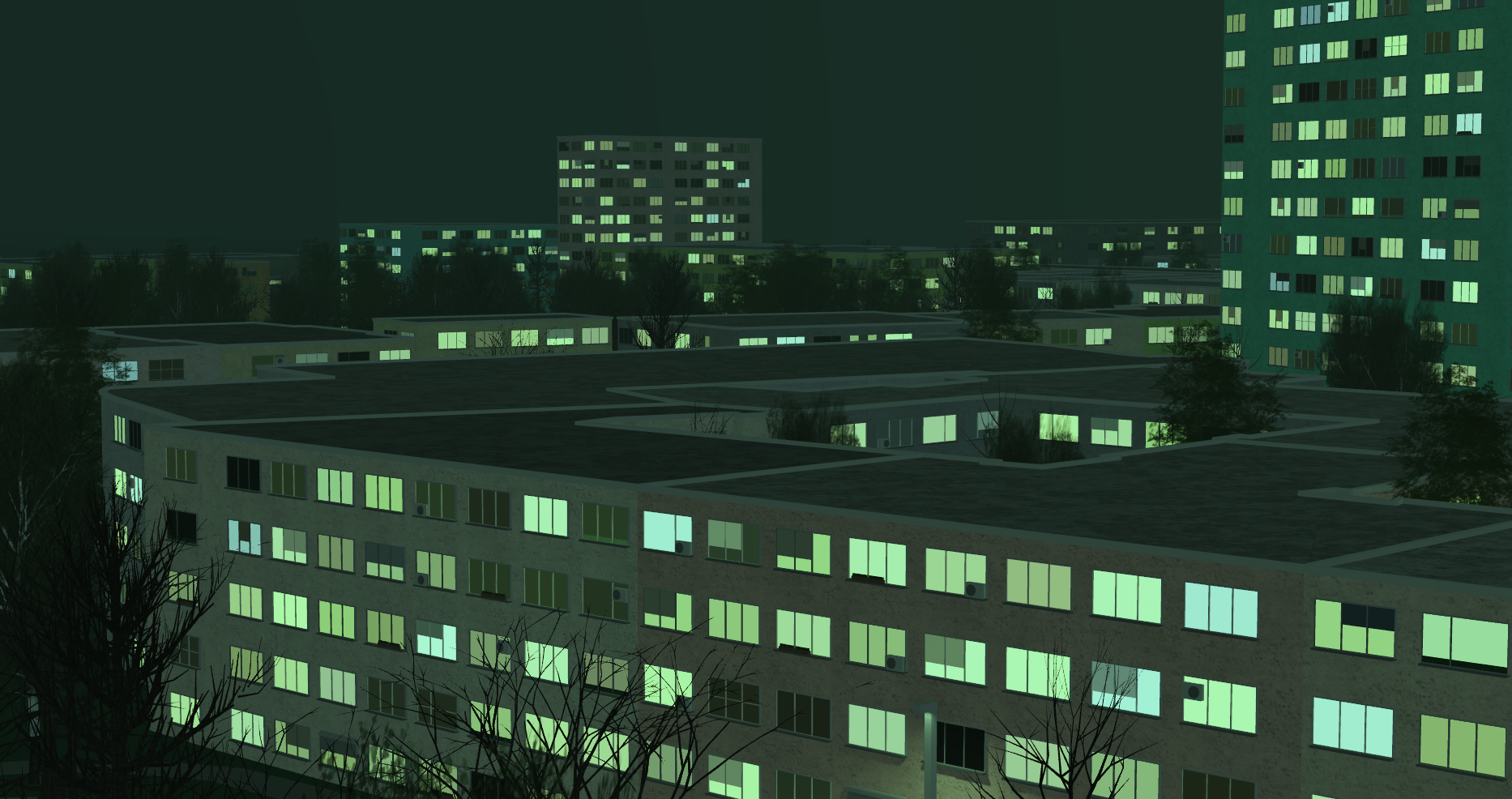
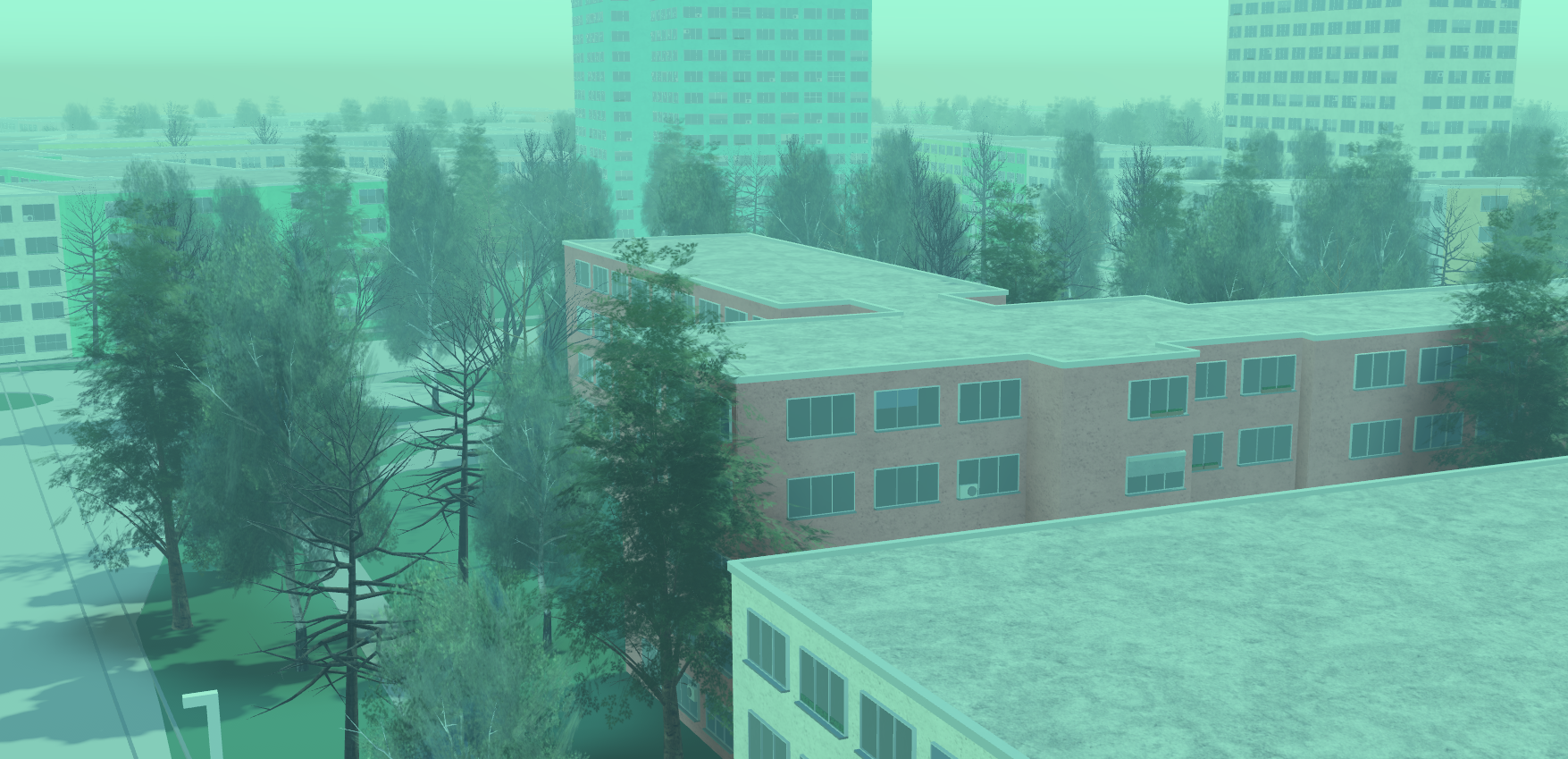
The game was later partially remade in Godot.
Granulat
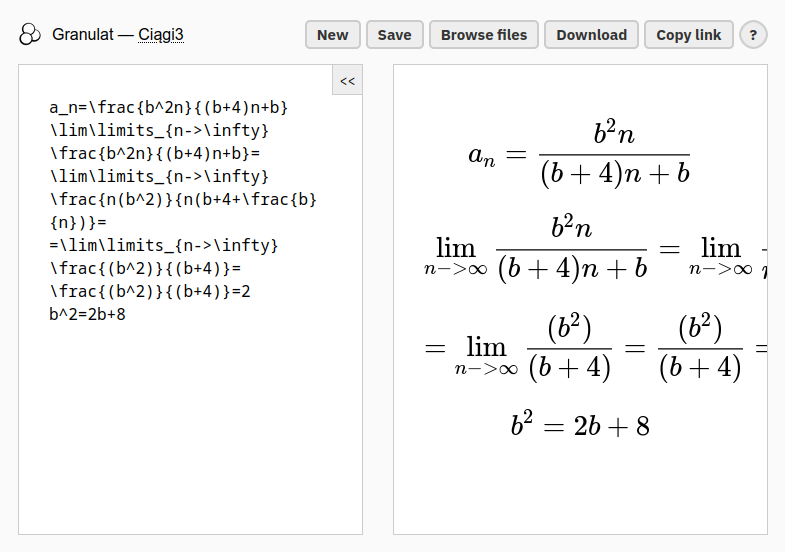
Simple KaTeX viewer and editor utilising browser local storage to let the user save files. They can be later opened, downloaded, and shared using a link that contains all the needed data. Check out
Arboretum
Abandoned precursor of Manesei. Apart from a note system, it featured a storage system that could function as a cloud drive.
Remin
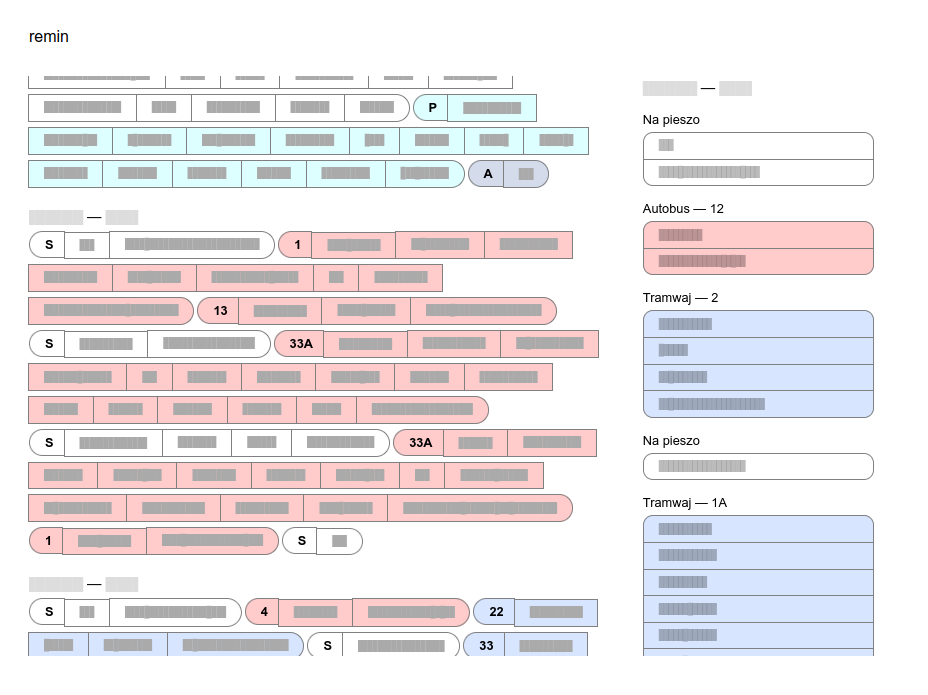
An unfinished journey log app. The user can mark different modes of transportation and add notes about them.
Smaller projects
Vii
Unfinished user interface library with an X11 backend, writen in C and using Pango for text rendering.
nchat
Basic text-based chat for LAN (C, sockets) and experiments with video transmission using ffmpeg and nc. Source code
Rmcx
Web interface (React) for sending shell commands through a Firebase databse to a computer running the client (Go) which executes them.
Habit trackers
Several web apps with Go backends.
VehicleCleanup
A modification of an open-source plugin for servers of the game Unturned, written in C#.
Pronunciation dictionaries
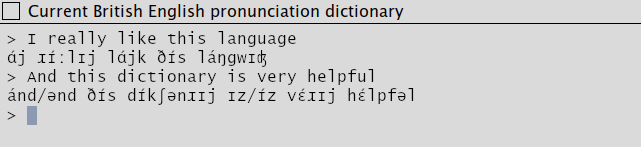
Web scraping and command line interfaces for two dictionaries, made in Python.
Other projects
Besides the described software, I also made many other creations. I scripted Roblox games (Lua), tinkered with 3D graphics and modelling, created a lot of small websites for personal use (or rather just for enjoyment), and customised my Linux environment by diverse means.